
What Happens If a Truck Driver Leaves the Scene of an Accident?
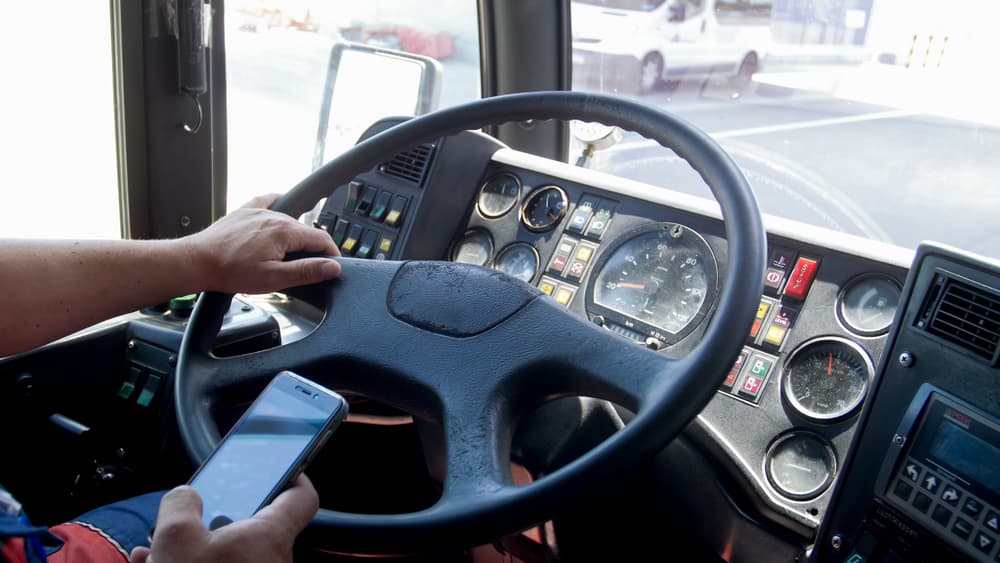
When a commercial truck driver leaves the scene of an accident, it triggers a criminal investigation and significantly complicates your path to compensation. The act of fleeing turns the accident into a hit-and-run, a serious offense in Missouri. While it creates immediate challenges in identifying the responsible party, it does not close the door on your ability to recover for your injuries and losses. The focus shifts to a thorough investigation, leveraging evidence from the scene and your own insurance policy to build a case for your recovery.
Your First Steps After Returning Home
Once you have received initial medical attention and are back in a safe place, the actions you take can be pivotal. Your memory is a critical piece of evidence, and documenting it while it's fresh is paramount. This period is not about shouldering the burden of the investigation yourself, but about preserving information that can later assist law enforcement and legal professionals.
Here are some important steps to consider:
- Write Down Everything You Remember: Create a detailed, written account of the accident. Include the time of day, weather conditions, the location of the crash, and the sequence of events as you recall them. Describe the truck as best you can. Note any details like the color of the cab or trailer, any logos or lettering, the company name, a DOT number, or even partial license plate numbers.
- Document Your Injuries and Medical Care: Keep a comprehensive file of all your medical treatments. This includes hospital discharge papers, visit summaries from your doctors, receipts for prescriptions, and any recommended therapies. It's also helpful to keep a personal journal detailing your pain levels, physical limitations, and the emotional impact the accident is having on your daily life.
- Organize Your Records: Gather any documents you received at the scene, such as the police report number or the investigating officer's contact information. If you have photos or videos of the accident scene, your vehicle's damage, or your injuries, keep them together in a secure digital or physical folder.
Taking these organizational steps can provide a sense of control during a chaotic time and creates a solid foundation for any claim you may pursue.
Why Would a Professional Driver Flee an Accident?
It can be baffling why a professional driver, whose livelihood depends on their commercial driver's license (CDL), would make the dangerous choice to flee. Understanding their potential motivations can sometimes help demystify the situation. A truck driver who leaves the scene of an accident is often acting out of panic or a desire to hide a more serious offense.
Their reasons might include one or more of the following:
- Driving Under the Influence: The driver may be intoxicated or under the influence of drugs and is attempting to avoid a DUI charge, which would likely end their career.
- Licensing or Logbook Issues: The driver might be operating with a suspended or expired CDL, or they may have violated federal hours-of-service regulations and falsified their logbooks.
- Company Pressure: Some drivers may fear immediate termination by their employer, particularly if they have a history of accidents or violations.
- Illegal Cargo or Outstanding Warrants: The driver could be transporting illegal goods or may have personal outstanding warrants for their arrest, causing them to flee to avoid interaction with law enforcement.
These reasons highlight that a hit-and-run is often a calculated, though reckless, decision made to conceal another wrongdoing, adding another layer of complexity to the situation.
The Two Paths: Criminal Charges and Your Civil Claim
After a hit-and-run involving a commercial truck, two separate legal processes begin. It is vital to understand the difference between them, as they have different goals and involve different parties. The state will handle the criminal side, while you have the right to pursue the civil side.
A look at the two distinct legal tracks:
- The Criminal Case: This is pursued by the state prosecutor's office, not by you. The goal is to punish the driver for breaking the law. In Missouri, leaving the scene of an accident involving injury is a felony. If the driver is found, they will face criminal charges, which can result in fines, license revocation, and even prison time. A conviction in the criminal case can serve as powerful evidence in your civil claim.
- The Civil Claim: This is the action you initiate to recover financial compensation for your losses. The goal is not to punish the driver with jail time, but to hold the responsible parties financially accountable for your medical bills, lost income, property damage, and pain and suffering. This claim is filed against the driver and, often, their employer, the trucking company.
These two cases proceed independently, and the outcome of one does not automatically determine the outcome of the other, though they can influence each other significantly.
How a Truck Hit-and-Run Investigation Unfolds
Finding a truck that has fled the scene may seem like searching for a needle in a haystack, especially on busy routes like I-70 or the Poplar Street Bridge. However, law enforcement and investigative teams have sophisticated methods for tracking down hit-and-run drivers. A commercial truck leaves a much larger footprint than a passenger car.
Investigators often use a combination of techniques:
- Eyewitness Accounts: They will canvass the area for anyone who saw the accident or the truck fleeing the scene. Other drivers, pedestrians, or workers in nearby buildings might provide crucial details.
- Surveillance and Traffic Cameras: Investigators will pull footage from traffic cameras, red-light cameras, and security cameras on nearby businesses, toll booths, and weigh stations to trace the truck's route.
- Evidence from the Scene: Fragments of the truck left behind, such as parts of a light, a piece of a bumper, or even paint scrapings, can help identify the truck's make and model. Tire tracks can also provide valuable clues.
- Industry Communication: Alerts may be sent out to truck stops, repair shops, and distribution centers in the St. Louis area and beyond, asking them to be on the lookout for a truck with fresh, unexplained damage.
This diligent investigative work is crucial, as identifying the truck and driver is the first step toward holding them accountable.
Uncovering All Responsible Parties
In a commercial trucking accident, the driver is rarely the only responsible party. The legal doctrine of "vicarious liability" or "respondeat superior" often holds the trucking company responsible for the on-duty actions of its employees. An experienced legal team will look beyond the driver to identify all entities that may share liability for the harm you have suffered.
Potential at-fault parties in a truck accident case can include:
- The Trucking Company (Motor Carrier): The company may be liable for negligent hiring (hiring a driver with a poor record), inadequate training, or encouraging drivers to violate safety regulations to meet deadlines.
- The Truck's Owner: In some cases, the driver or trucking company leases the truck from another entity, which could be responsible for its condition.
- Maintenance and Repair Facilities: If the accident was caused or contributed to by a mechanical failure, such as faulty brakes, the company responsible for maintaining the vehicle could be held liable.
- Cargo Loaders: Improperly loaded or secured cargo can shift during transit, causing the driver to lose control. The company that loaded the freight could share responsibility.
Successfully identifying these additional parties can be essential for securing fair compensation, especially when dealing with catastrophic injuries.
What If the Driver Is Never Identified?
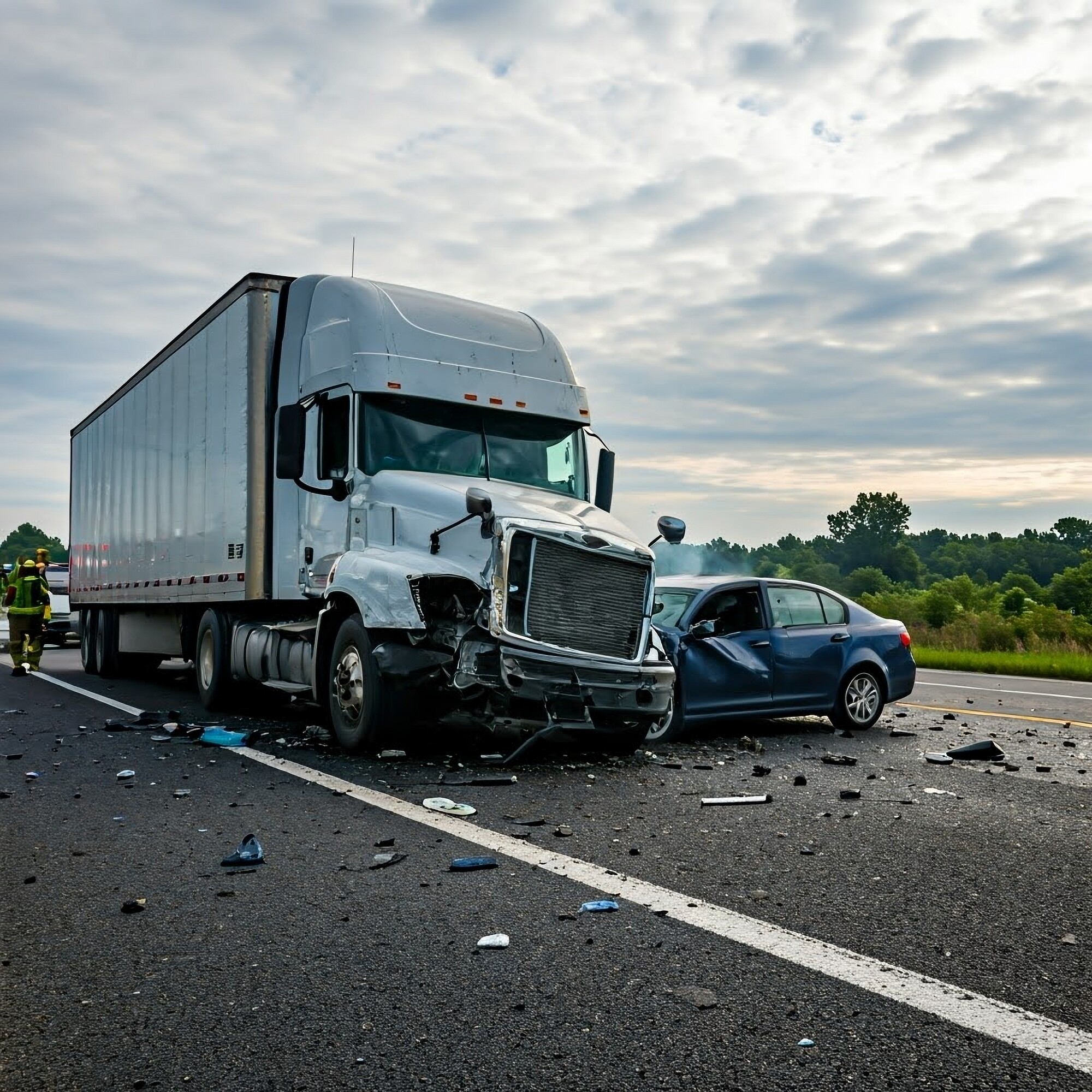
This is the greatest fear for many victims of a hit-and-run: that the driver and their truck will simply vanish without a trace. While this is a difficult outcome, it does not mean you are left without financial recourse. This is precisely the scenario for which Uninsured Motorist (UM) coverage on your own auto insurance policy is designed.
Here is how your own insurance may help:
- Uninsured Motorist (UM) Coverage: In a hit-and-run scenario where the at-fault driver is never found, they are treated as an "uninsured" driver. Your UM coverage can step in to cover your medical expenses, lost wages, and in some cases, pain and suffering, up to your policy limits.
- Underinsured Motorist (UIM) Coverage: If the driver is eventually found but has insurance coverage that is insufficient to cover the full extent of your damages, your UIM coverage may be used to bridge the gap.
- Medical Payments (MedPay) or Personal Injury Protection (PIP): Some policies include this no-fault coverage, which can help pay for your initial medical bills regardless of who was at fault.
Navigating a claim with your own insurance company can be surprisingly adversarial. They may still dispute the extent of your injuries or the value of your claim, making it important to understand your rights and the details of your policy.
Compensation Available After a Trucker Flees the Scene
The purpose of a civil claim is to make you "whole" again financially, as much as money can. This involves calculating every single loss you have incurred because of the accident. When a truck driver leaves the scene, it not only causes physical and emotional harm but also demonstrates a reckless disregard for your well being, which can sometimes be a factor in the compensation awarded.
Damages you may be able to pursue include:
- Economic Damages: These are the tangible, calculable financial losses, such as current and future medical bills, lost wages from time off work, diminished earning capacity if you cannot return to your previous job, and the cost to repair or replace your vehicle.
- Noneconomic Damages: These compensate you for the intangible, human losses, including physical pain and suffering, emotional distress, loss of enjoyment of life, and permanent disfigurement or disability.
- Punitive Damages: In cases where the defendant's conduct was particularly malicious or egregious, such as intentionally fleeing the scene to evade responsibility, a court may award punitive damages. These are not meant to compensate you for a loss but to punish the defendant and deter similar conduct in the future.
Calculating the full value of a claim, especially future medical needs and noneconomic losses, requires careful analysis and a thorough understanding of the long-term impact of your injuries.
What Happens When a Truck Driver Leaves the Scene of an Accident FAQs
We have compiled a list of common questions that arise when a truck driver leaves the scene of an accident.
How long do I have to file a lawsuit in Missouri?
In Missouri, the statute of limitations for most personal injury claims is five years from the date of the accident. It is critical to be aware of this deadline because if you miss it, you may lose your right to pursue compensation forever.
Can I recover damages if I was partially to blame for the crash?
Missouri uses a "comparative fault" system. This means you can recover damages even if you are found to be partially at fault, though your award will be reduced by your percentage of fault.
What happens if the truck involved was registered in a different state?
Commercial trucking is a federal industry, and it is very common for trucks on St. Louis highways to be from other states. This can complicate a case by involving different state laws and insurance regulations. An experienced legal team can navigate these jurisdictional complexities to determine where to file a claim and which laws apply.
Is it possible to settle a truck hit-and-run case without going to court?
Yes, the vast majority of personal injury claims are settled out of court through negotiations with the responsible parties' insurance companies. A settlement can often be reached once the at-fault driver and trucking company are identified and a strong case demonstrating their liability and your damages is presented.
What is the single most important piece of evidence in a truck hit-and-run?
While every piece of evidence is important, a partial or full license plate number is often the most critical clue. Even a partial plate, combined with a description of the truck and the time and location of the incident, can be enough for investigators to successfully identify the vehicle and its owner through database searches.
Legal Support After a Hit-and-Run Accident
The experience of being struck by a commercial truck, only to see it disappear down the road, is profoundly unjust and frightening. You are left not only with physical injuries but with a sense of violation and uncertainty. While the road ahead may seem difficult, you do not have to walk it alone. Taking decisive action to protect your rights is the first step toward reclaiming your future.
The dedicated team at Gray Ritter Graham has stood beside clients in St. Louis and across the Midwest for decades, helping them navigate the most complex and challenging personal injury cases. We understand the tactics used to evade responsibility and are prepared to build a comprehensive case on your behalf. If you or a loved one has been injured in an accident where a truck driver left the scene, contact us at (314) 241-5620 or through our online form for a confidential consultation. Let us put our confidence, teamwork, and experience to work for you.