
Who Pays Medical Bills in a Car Accident?

When you are involved in a car accident, the question of who pays medical bills can be confusing and stressful. The short answer, for Missourians, is that the at-fault driver's insurance company is ultimately responsible for your medical expenses, but you will likely need to use your own insurance coverage first to get immediate treatment. Let’s take a closer look at how the process generally works.
Your First Line of Defense for Medical Costs
Initially, you will likely need to rely on your own insurance policies to cover the costs of your immediate medical care. Hospitals and doctors need payment for their services and cannot wait for a lengthy liability dispute to be settled with the other driver's insurance. This is where your personal coverage becomes your first and most important resource.
There are a few primary sources you may use for upfront payment:
- Medical Payments (MedPay) Coverage: This is an optional part of your own auto insurance policy in Missouri. It covers medical expenses for you and your passengers after a crash, regardless of who was at fault. It is designed for this exact situation, providing a quick source of funds for deductibles, copays, and treatments.
- Health Insurance: Your personal health insurance plan is a primary tool for covering medical costs. You will present your insurance card at the hospital and doctor's offices, and they will bill your provider directly, just as they would for any other illness or injury. You will still be responsible for your plan's deductibles and copayments.
- Workers’ Compensation: If your car accident occurred while you were on the job, perhaps making a delivery or driving to a client meeting, your employer’s workers’ compensation insurance may be the primary payer for your medical treatment.
Using your own insurance first allows you to get the necessary care without delay, which is critical for your physical recovery.
How Missouri’s At-Fault System Works
Missouri operates under a "fault" or "tort" system for car accidents. This means the person who is legally responsible for causing the collision is also responsible for paying for the damages that result, including medical bills. While you use your MedPay or health insurance for immediate costs, the ultimate goal is to seek reimbursement from the at-fault driver's liability insurance. Determining fault is a critical step in this process.
Several factors are used to establish who was at fault for the crash:
- Police Report: The responding officer’s report will contain details about the accident scene, statements from drivers and witnesses, and often the officer’s initial assessment of what happened and who was cited.
- Traffic Laws: A driver who violated a traffic law, such as running a red light on Kingshighway or making an illegal turn, is often found to be at fault.
- Witness Statements: Independent witnesses who saw the accident can provide objective accounts that help clarify the sequence of events.
- Physical Evidence: The location and extent of damage to the vehicles, skid marks on the road, and debris can all provide clues about the physics of the collision.
Keep in mind that fault is not always an all-or-nothing proposition; Missouri uses a pure comparative fault rule. This means you can still recover damages even if you are partially at fault for the accident. However, your total compensation award will be reduced by your percentage of fault. For example, if you are found to be 10% at fault, your final recovery would be reduced by 10%. This is a key reason why a thorough investigation is so important for your claim.
The Role of the At-Fault Driver’s Insurance
Once fault is established, a claim is filed against the at-fault driver’s bodily injury liability insurance. This is the coverage that every driver in Missouri is required to carry. However, it is a common misunderstanding that their insurance company will start paying your medical bills as they come in. This is not how it works. Instead, the other driver’s insurance company typically waits until you have completed your medical treatment and then negotiates a single, lump-sum settlement.
This settlement is intended to cover all of your losses from the accident, which can include:
- Past and Future Medical Expenses: This includes everything from the initial ambulance ride and emergency room visit to surgery, physical therapy, medication, and any anticipated future care.
- Lost Wages: Compensation for the time you were unable to work while recovering from your injuries.
- Pain and Suffering: Compensation for the physical pain, emotional distress, and loss of enjoyment of life caused by the accident and your injuries.
Dealing with the other driver’s insurance adjuster can be difficult. They may try to argue that their driver was not at fault, that your injuries were not caused by the crash, or that your medical treatment was excessive. Their goal is to pay out as little as possible, which is why having a strong case built on solid evidence is essential.
When the Other Driver Has No Insurance or Not Enough
One of the most frightening scenarios is discovering that the driver who hit you is uninsured or does not have enough insurance to cover the full extent of your damages. This happens more often than people realize. Fortunately, your own auto insurance policy can provide a safety net in these situations, but only if you have purchased the right coverage.
Here are the coverages that protect you from an irresponsible driver:
- Uninsured Motorist (UM) Coverage: This part of your policy steps in to pay for your damages if the at-gault driver has no car insurance at all. In Missouri, this coverage is mandatory. It acts as a substitute for the liability insurance the other driver should have had.
- Underinsured Motorist (UIM) Coverage: This coverage applies when the at-fault driver has insurance, but their policy limits are too low to cover all your bills. For example, if your medical bills are $100,000 but the other driver only has the state minimum $25,000 in liability coverage, your UIM coverage could cover the remaining $75,000, up to your own policy limits.
Filing a UM or UIM claim means you are dealing with your own insurance company. While this may seem easier, it is important to remember that their financial interests are still not perfectly aligned with yours. They may still dispute the value of your claim, so you must approach the process with the same level of diligence as you would with another insurer.
Managing Bills and Records While Your Case is Ongoing
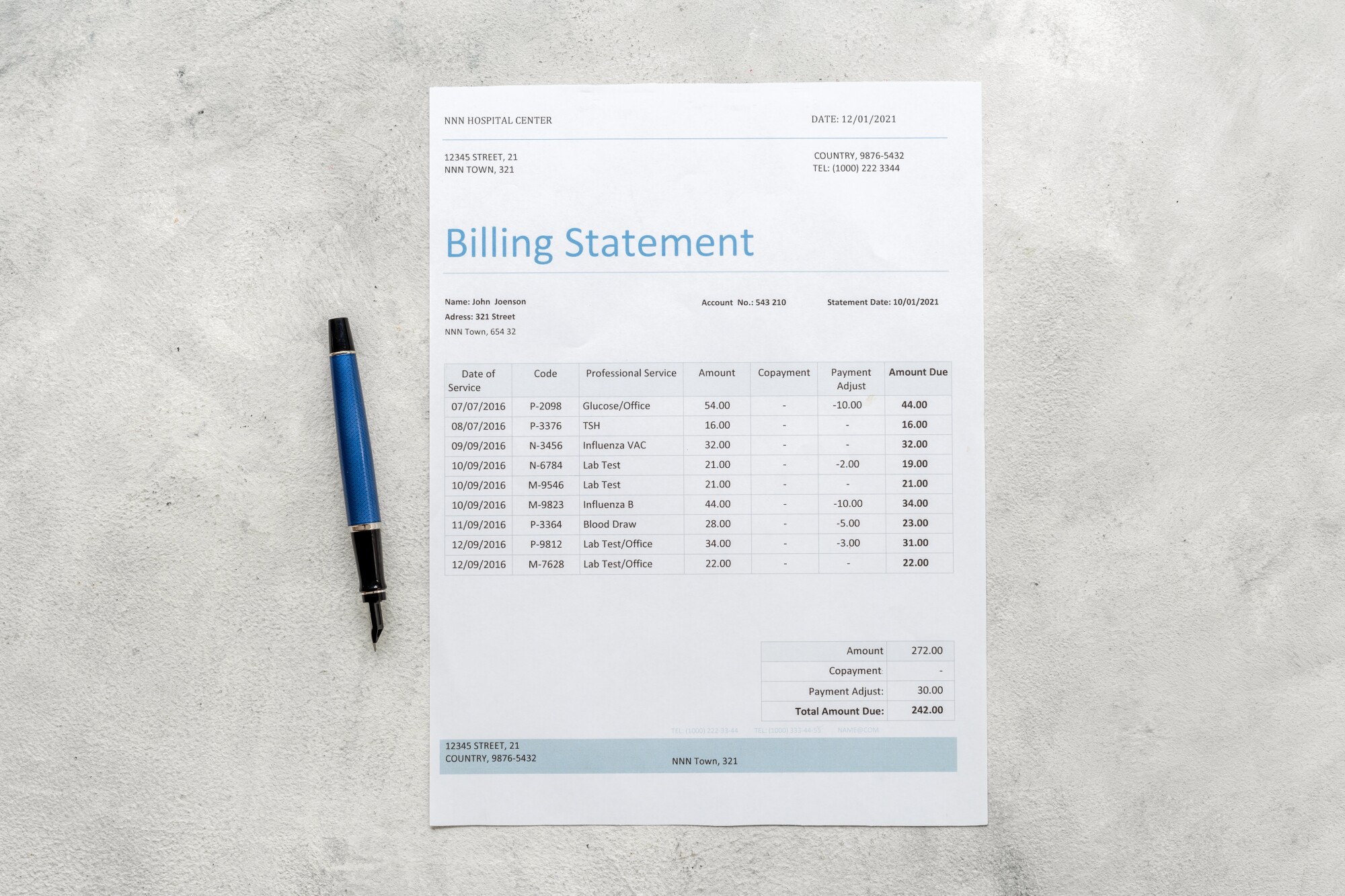
The legal process for a car accident claim can take months or even longer. In the meantime, medical providers will continue to send bills and expect payment. This can be an incredibly stressful part of the recovery process, especially when you are unable to work. Staying organized and proactive is key to managing this financial pressure.
Consider these steps to keep things under control:
- Create a Dedicated File: Keep all accident-related documents in one place. This includes the police report, the other driver's information, photos of the scene and your injuries, and all medical bills and records.
- Track All Expenses: Maintain a running log of every medical bill, prescription receipt, and even mileage for trips to the doctor. Note the date, the provider, the amount, and whether it has been paid by you or an insurer.
- Communicate with Providers: Do not ignore the bills. Call the billing departments of the hospitals and clinics. Explain that you were in a car accident and that a claim is pending. Many providers are willing to pause collection efforts or set up a payment plan if they know a settlement is expected.
Some personal injury law firms can also provide a "letter of protection" to your medical providers. This is a document that guarantees the provider that they will be paid directly from your future settlement or verdict. This can persuade doctors to continue providing necessary treatment without demanding upfront payment, relieving a significant burden from your shoulders.
Who Pays Medical Bills in a Car Accident FAQs
Here you can find answers to other common questions about handling medical expenses after a collision.
What happens if my health insurance company wants to be paid back?
This is a very common process called subrogation. When your health insurance pays for medical treatment related to an accident, they have a legal right to be reimbursed from any settlement you receive from the at-fault party. Essentially, they paid the bills upfront on your behalf, and they expect to be paid back once you recover funds from the person who caused the injury. An attorney can often negotiate with the health insurance company to reduce the amount they are demanding, which leaves more of the settlement money for you.
Do I have to pay my health insurance deductible if the accident was not my fault?
Yes, you will likely have to pay your deductible and any copayments upfront as you receive treatment. Your health insurance plan operates according to its terms, regardless of the reason for your medical care. However, these out-of-pocket costs should be included as part of the damages in your claim against the at-fault driver. The goal is to be fully reimbursed for these expenses in your final settlement.
What can I do if I need medical care but cannot afford it while my claim is pending?
This is a serious concern for many accident victims. One option is to see if your medical providers will treat you under a letter of protection, as mentioned earlier. This letter, provided by an attorney, reassures the doctor that they will be paid out of the future settlement. This allows you to get the care you need for your recovery without the immediate financial stress.
How long do I have to file a claim for my injuries in Missouri?
In Missouri, the statute of limitations for filing a personal injury lawsuit is generally five years from the date of the accident. While this may seem like a long time, it is critical to act much sooner. Evidence can disappear, witness memories can fade, and delays can harm your case. It is always best to begin the process of documenting your injuries and exploring your legal options as soon as possible after a crash.
How are my future medical needs calculated in a settlement?
If your injuries are severe and will require ongoing care, your settlement should include compensation for these future costs. This is not just guesswork. It is often determined by consulting with your treating physicians and medical life care planners. These professionals can provide a detailed report outlining the types of treatment, medication, therapy, or equipment you will likely need for the rest of your life and the estimated costs associated with that care.
Does workers' compensation have a role if I was hurt while driving for my job?
If you were injured in a car accident while performing work duties, workers' compensation is typically the primary source of payment for your medical bills and a portion of your lost wages. However, you may also have a separate personal injury claim against the at-fault third-party driver. The two claims are connected; like health insurers, the workers' compensation carrier will also have a right to be reimbursed from your personal injury settlement.
Find Your Confidence in a Difficult Time
The period after a car accident is filled with uncertainty and worry, particularly when it comes to your health and your finances. You do not have to face these challenges alone. For over 75 years, the attorneys at Gray Ritter Graham have stood alongside families in St. Louis and across the Midwest, providing trusted guidance and dedicated representation. Our approach is built on teamwork and thorough preparation, combining our extensive experience to protect your best interests at every step.
We understand the pressure you are under, which is why we handle cases on a contingency fee basis. This means you owe no attorneys' fees unless we obtain a recovery for you. Let our team take on the burden of dealing with the insurance companies and managing the complexities of your claim so you can focus on what matters most: your recovery. Contact Gray Ritter Graham today at (314) 241-5620 or through our online form for a complimentary consultation to discuss your case and learn how we can help.